
How to Design a Victorian Terrace Without Losing Its Character
The Victorian terraces found throughout Twickenham, Teddington, Hampton and Richmond carry a quiet elegance that continues to define many South West London streets. Designing within these period homes requires a careful balance, honouring their original character while reimagining the interiors for contemporary living.
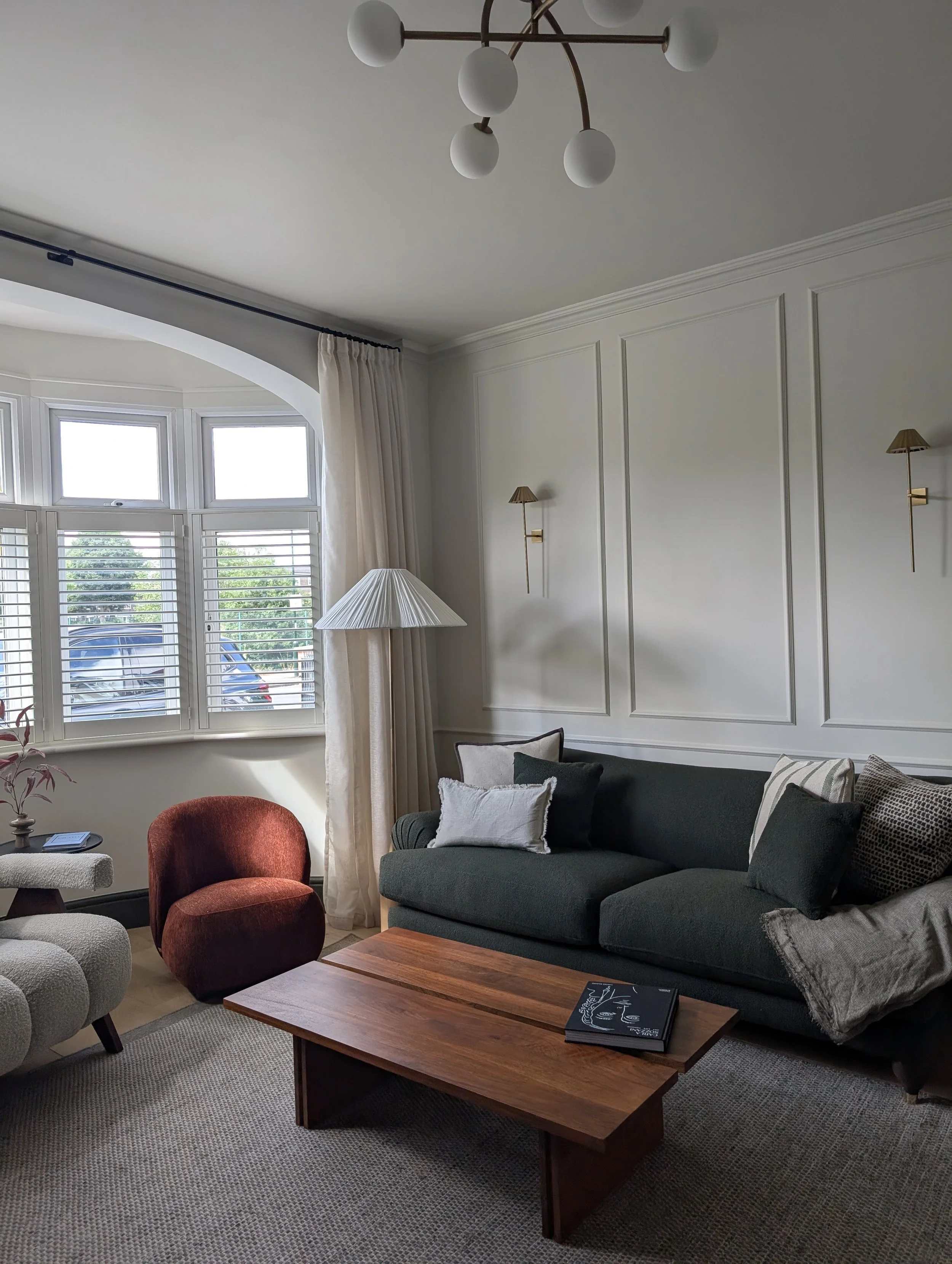

Victorian terraces are a defining part of London’s architectural landscape, and form much of the character across Twickenham, Teddington, Hampton and Richmond. From handsome brick façades to generous proportions and original detailing, these period homes have a charm that’s hard to replicate in modern builds. At the same time, they weren’t designed for contemporary living. Layouts can feel compartmentalised, natural light may be limited, and modern family life often demands more flexibility than these homes were originally intended to offer.
Designing a Victorian house is therefore about balance. The most successful interiors respect the building’s heritage while adapting it to suit how you live today. Here’s how to approach the process without losing the character that makes these homes so special.
Understand What Gives Your Home Its Character
Before making any design decisions, it’s worth taking stock of what makes your property unique. Victorian terraces in areas such as Twickenham, Teddington, Hampton and Richmond often feature:
Original fireplaces
Ceiling roses and cornicing
Timber floorboards
Sash windows
Staircase details and balustrades
These details create a sense of history and craftsmanship that can’t easily be recreated. Rather than stripping everything back in the name of modernisation, consider which original features can be restored, repaired or highlighted. Retaining even a few key elements can anchor the design and give your home a sense of authenticity.
Across Richmond Borough and the surrounding areas, many period homes have been altered over time. Part of the design process is often about gently reintroducing character where it has been lost, while still creating a home that feels current and liveable.
Rethink the Layout, Not the Soul of the House
One of the most common challenges with Victorian terraces is the layout. Separate reception rooms, narrow kitchens and limited connections to the garden don’t always suit modern lifestyles. Opening up spaces can dramatically improve flow and light, but it’s important to do so thoughtfully.
Rather than creating one large, undefined open-plan area, consider how different zones can be subtly defined through layout, lighting and materials. Retaining a sense of structure helps the home feel grounded and avoids losing the intimate, layered feel that period properties do so well.
In many homes across Twickenham, Teddington and Richmond, sensitive structural changes – such as widening openings between rooms or introducing glazed partitions – allow light to travel through the house while preserving a sense of separation and character.
Use Colour and Materials to Bridge Old and New
Colour plays a powerful role in how a period home feels. Soft, considered palettes tend to work particularly well in Victorian terraces, allowing architectural details to take centre stage. Warm neutrals, muted greens, gentle blues and earthy tones complement original features without overpowering them.
When introducing contemporary elements, materials are key. Pairing traditional features with modern finishes – for example, streamlined cabinetry alongside original floorboards, or contemporary lighting set against decorative cornicing – creates a layered, timeless feel. This balance helps the interior feel curated rather than overly themed.
In full-service interior design projects, this cohesion between old and new is considered from the outset, ensuring the home feels resolved as a whole.


Prioritise Natural Light
Many Victorian terraces across South West London have generous proportions but can suffer from limited natural light, particularly towards the rear of the property. Improving light levels can transform how the space feels and functions day to day.
Design solutions might include:
Reconfiguring layouts to allow light to travel through the house
Introducing rooflights or glazed extensions at the rear
Using lighter finishes and reflective surfaces to enhance brightness
Thoughtful window treatments that maximise daylight
Good lighting design goes beyond brightness alone. Layered lighting – combining ambient, task and accent lighting – ensures the home feels welcoming and functional from morning through to evening.
Respect the Context of the Area
The period homes of Twickenham, Teddington, Hampton and Richmond sit within a distinctive local context, shaped by riverside settings, leafy streets and established architectural styles. Interiors that feel grounded in their surroundings tend to age more gracefully than those driven purely by short-lived trends.
This doesn’t mean the design has to be traditional. Contemporary interiors can sit beautifully within Victorian shells when they are considered, restrained and thoughtfully detailed, creating a quiet dialogue between old and new.
Plan for Longevity, Not Just the Renovation Phase
Designing a Victorian terrace is a significant investment, both financially and emotionally. Thinking beyond the renovation phase and considering how the space will support your future needs is key. Storage, flexibility of spaces, durability of materials and ease of maintenance all shape how successful the design feels over time.
A full-service interior design approach allows these practical considerations to be integrated from the outset, ensuring the home not only looks beautiful but supports everyday living.
Bringing It All Together
Designing a Victorian terrace without losing its character is about thoughtful evolution rather than dramatic transformation. By respecting original features, carefully reworking layouts, and introducing contemporary elements with restraint, it’s possible to create a home that feels both timeless and tailored to modern living.
If you’re planning a renovation or reconfiguration of a period home in Twickenham, Teddington, Hampton or Richmond, and would value a considered, end-to-end design approach, our full-service interior design service guides you from concept through to completion, ensuring every detail is thoughtfully resolved.


Completion & Ongoing Support
Once the project is finished, we carry out a final walkthrough and remain available for any follow-up support you may need. Our relationship with clients doesn’t end at installation — we’re always on hand to answer questions or assist with future design needs.
A Thoughtful Interior Design Process You Can Trust
At Design & Refine Interiors, our process is designed to offer clarity, creativity and confidence from start to finish. Whether you’re planning a full renovation or a considered redesign in Surrey or SW London, we take pride in delivering interiors that are both beautiful and functional.
—
Have a Victorian house you need help with? We’d love to hear from you. Follow us @designandrefineinteriors for ideas, inspiration and a closer look at how we design real homes for real life. Or book your free consultation to chat through your space and see how we can help.