
When I first started planning this kitchen renovation, I thought I was redesigning a room. Since completing, I’ve since realised I was actually redesigning the way we live in our home.
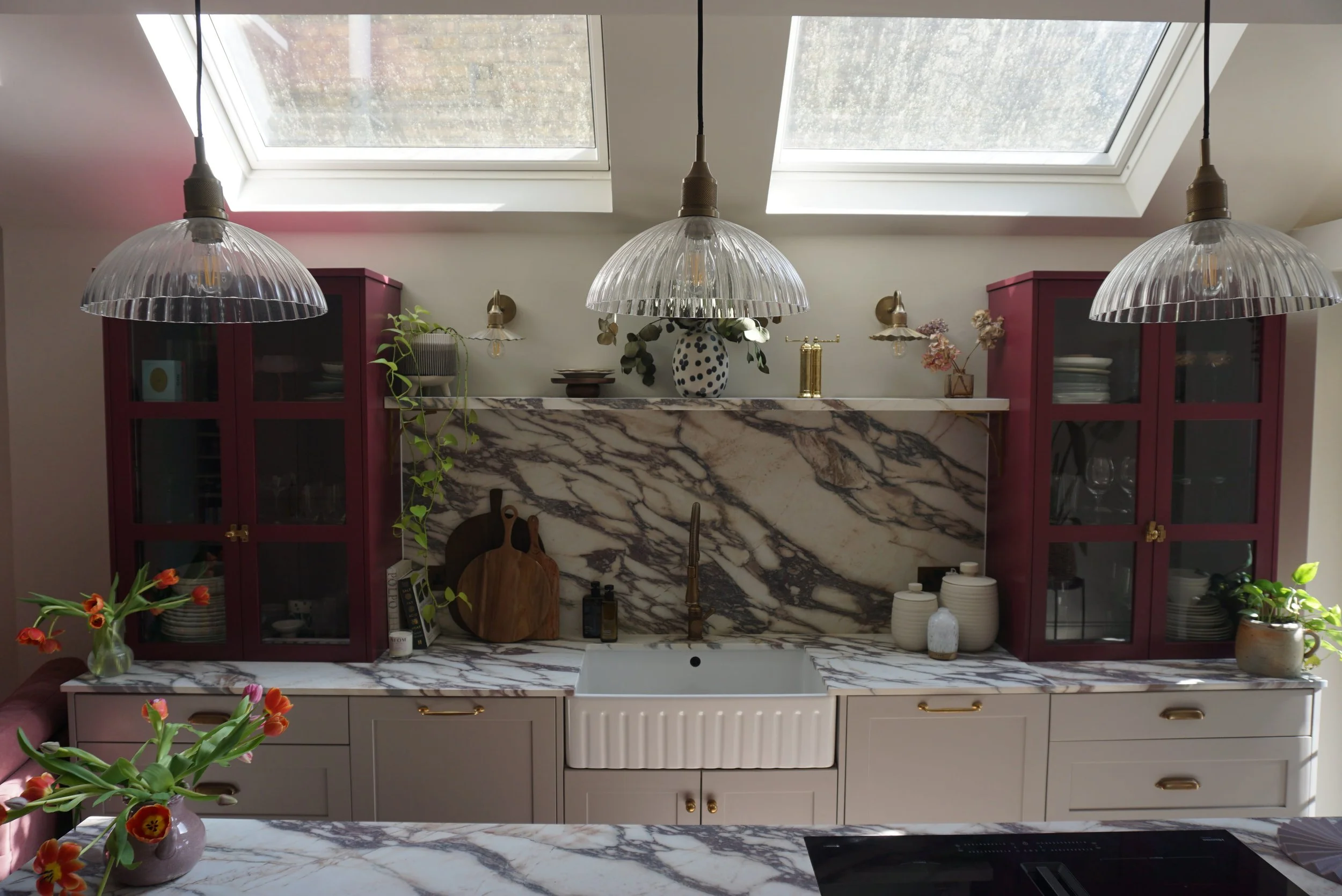
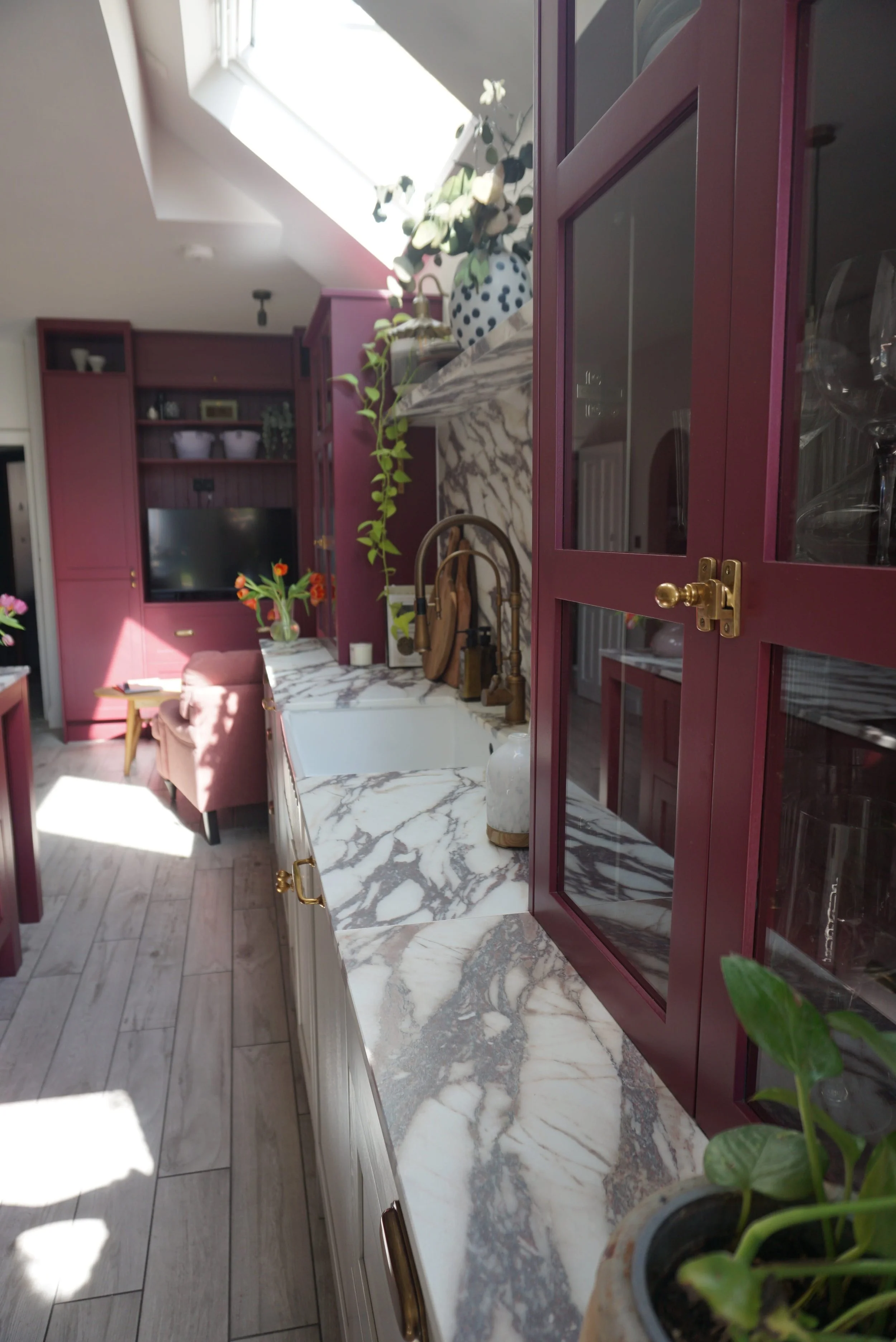
As an interior designer, I spend so much time helping clients create spaces that feel both beautiful and functional, but there’s something very different about experiencing a renovation personally. You become far more aware of the small frustrations that impact daily life — awkward layouts, lack of storage, poor flow, clutter building up in the wrong places.
And often, those are the things that matter most.
Inspired by the honest reflections I recently shared in my Open House feature with Ideal Home, I wanted to talk less about the “before and after” of this project, and more about what the renovation genuinely changed for us day to day.
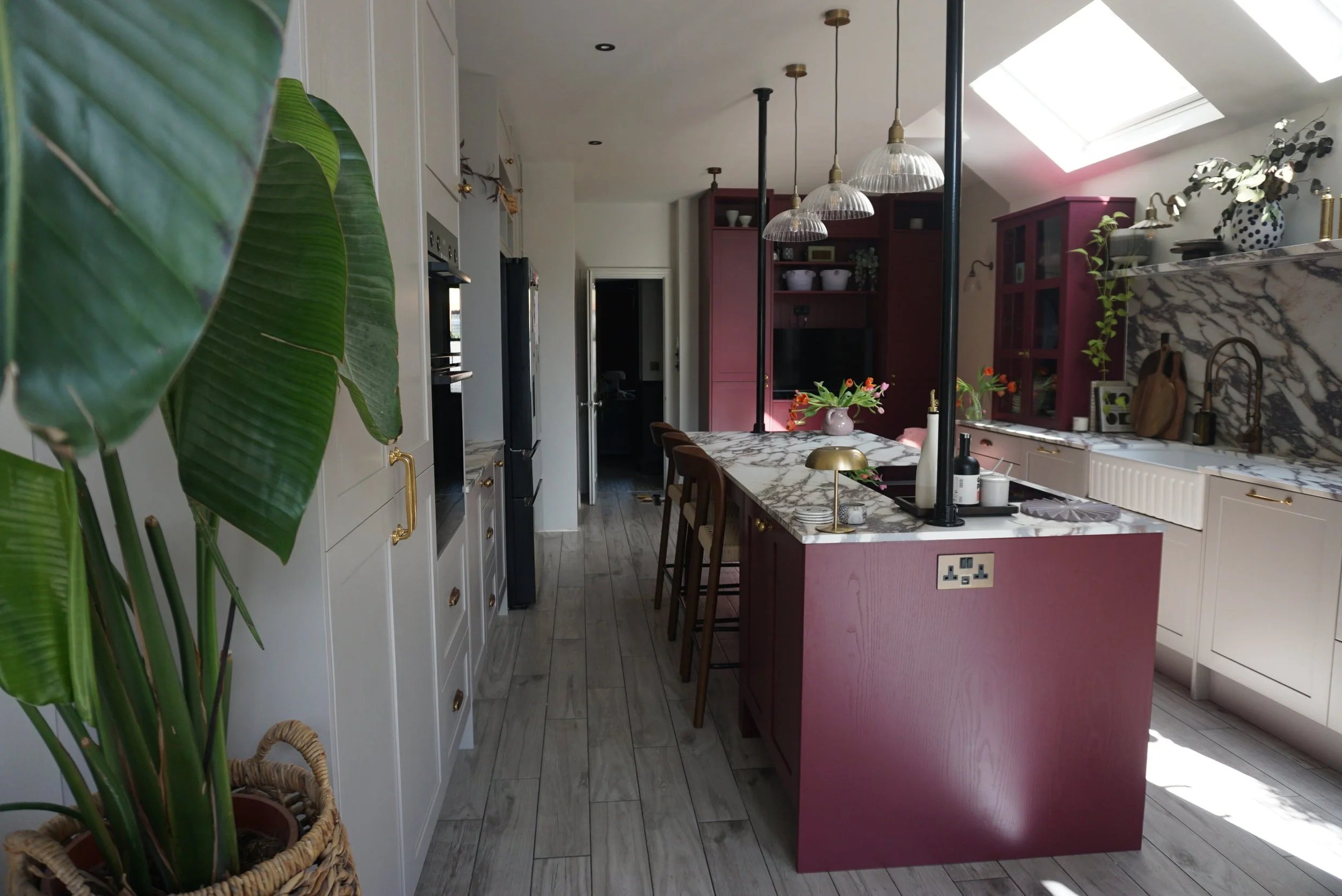
Designing Around the Way We Actually Live
One of the biggest lessons from this project was the importance of designing around real routines rather than purely aesthetics.
Of course, I wanted the kitchen to feel calm, refined and visually cohesive with the rest of the house, but more importantly, I needed it to function properly for the way we live as a family.
The original kitchen wasn’t necessarily lacking in space, but it didn’t flow well. Certain areas felt disconnected, storage never quite worked efficiently and the room lacked the sense of ease I wanted from the heart of the home.
So much of the redesign focused on improving that experience rather than simply changing how the space looked.
Because in reality, the best interiors aren’t just visually pleasing, hey quietly make everyday life easier.
Why Layout Matters More Than Size
One of the most transformative decisions in the renovation was rethinking the layout.
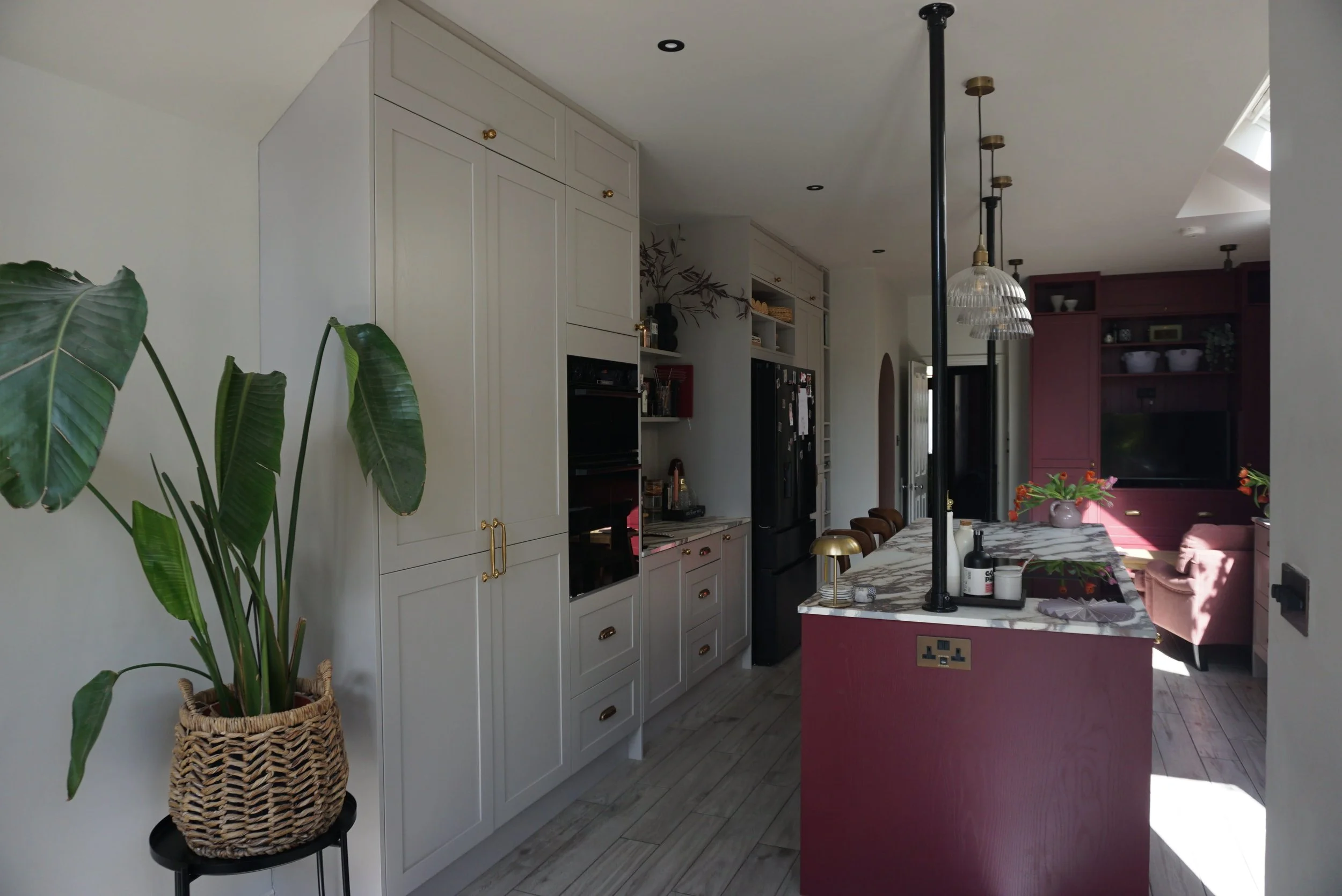
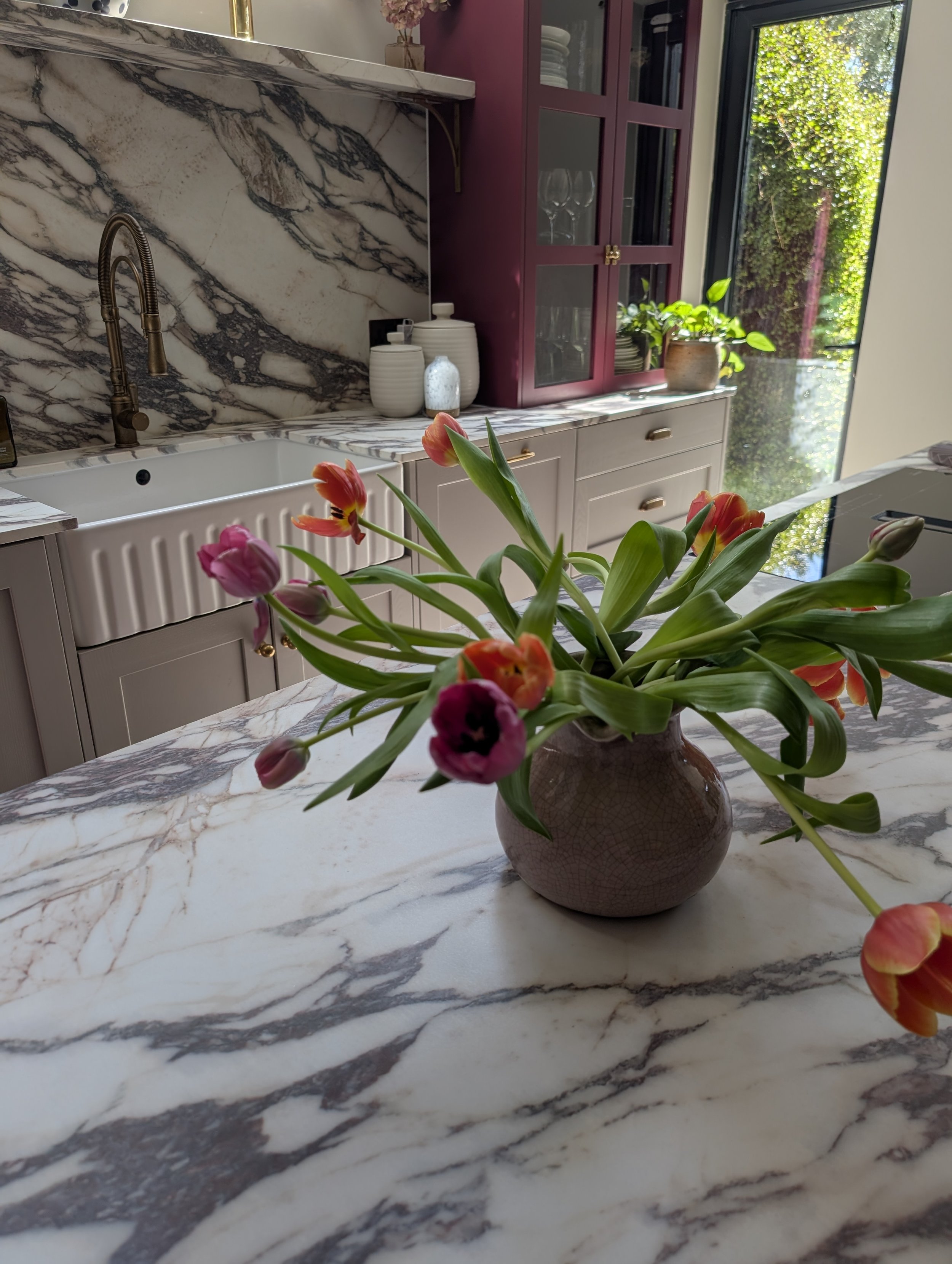
Rather than extending dramatically or adding unnecessary square footage, I focused on how the space could function more intentionally. Changing the orientation of the island and improving circulation completely altered the feeling of the room.
The kitchen instantly felt more open, more social and far easier to move around in.
It’s something I often discuss with clients at Design & Refine, a well-designed layout will always have more impact than simply making a room bigger.
Good design is about flow. About understanding how people naturally move through a space and creating an environment that feels intuitive to live in.
Creating Storage That Works Harder
One of my priorities from the beginning was creating storage that genuinely supported everyday life.
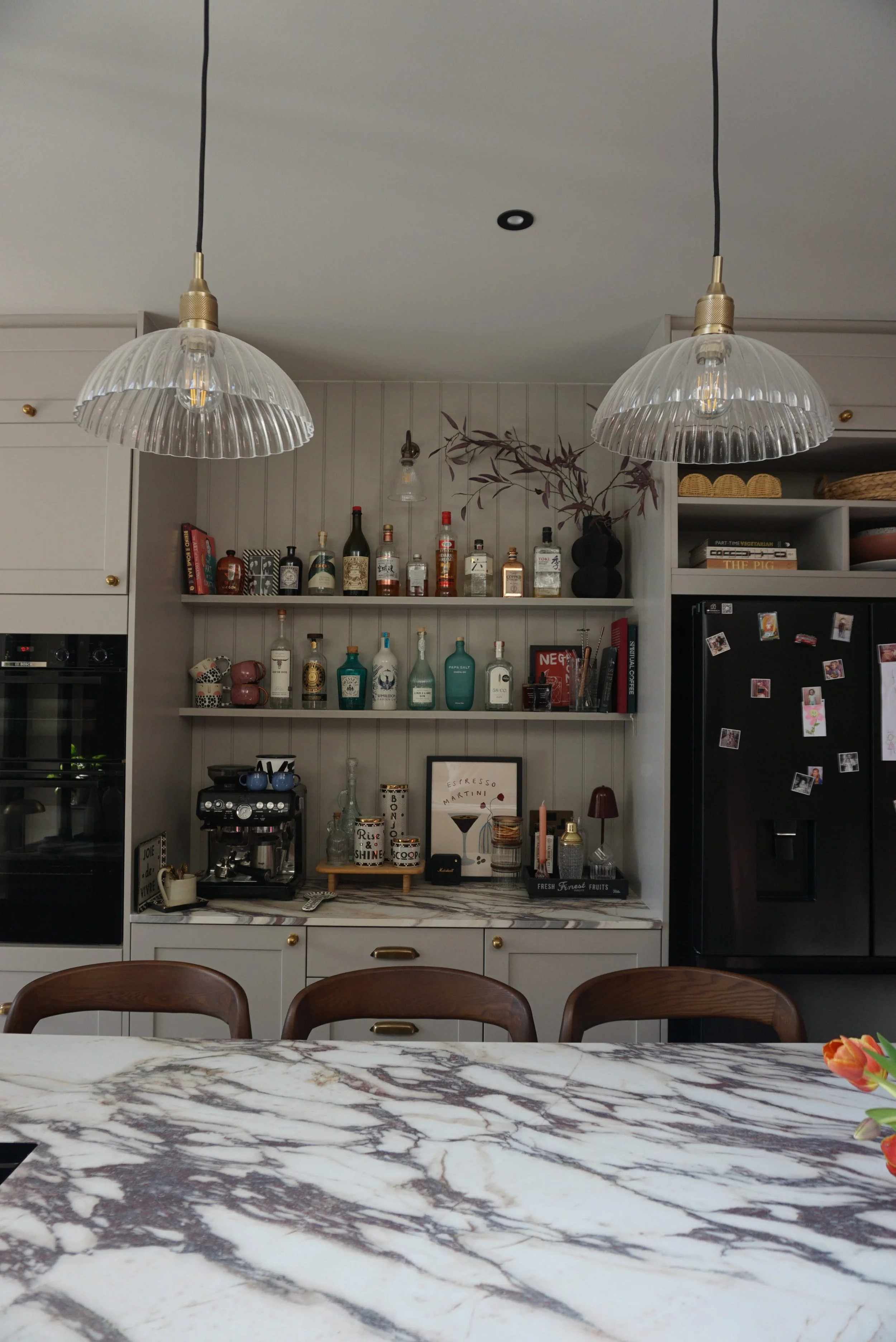
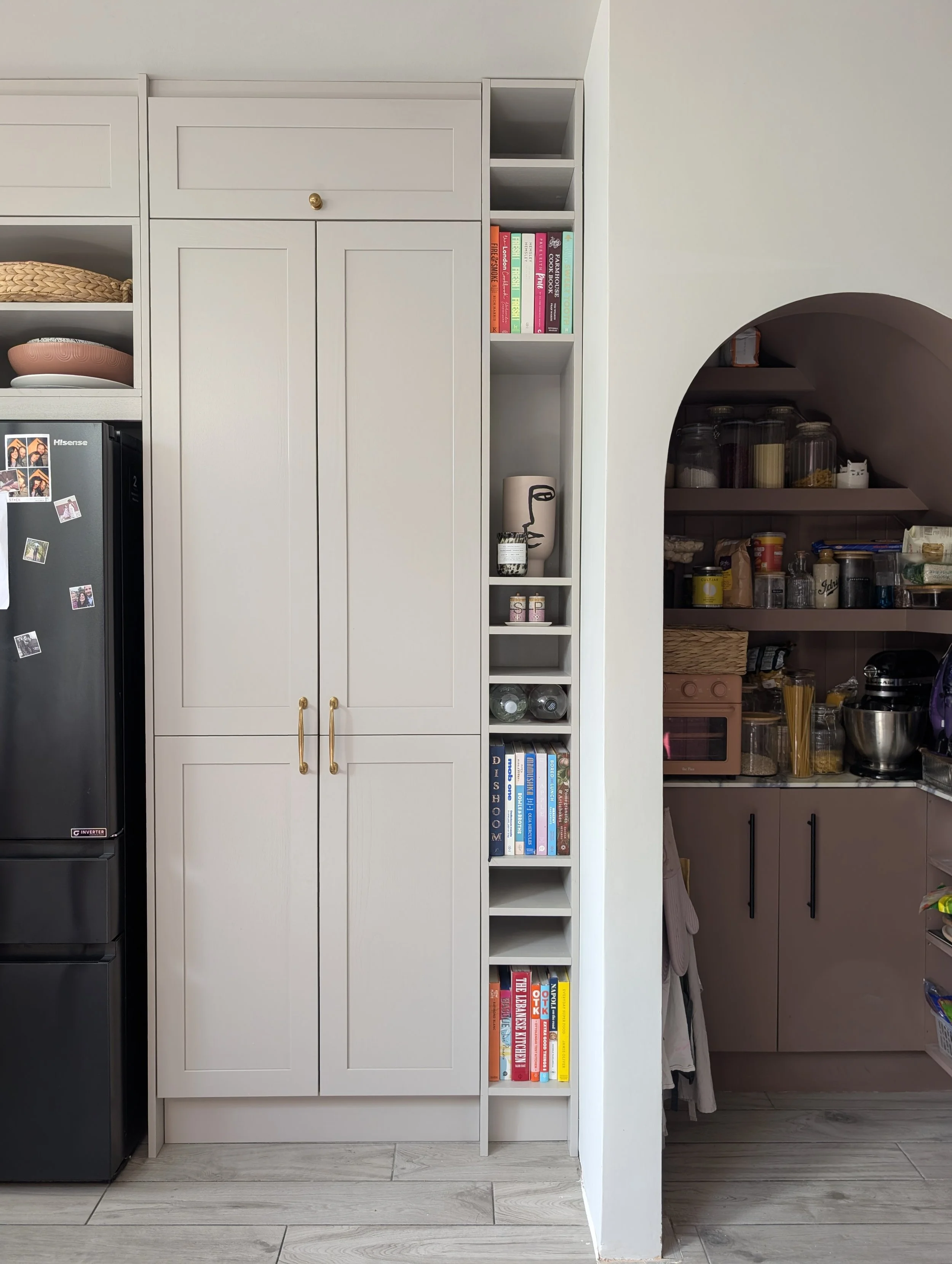
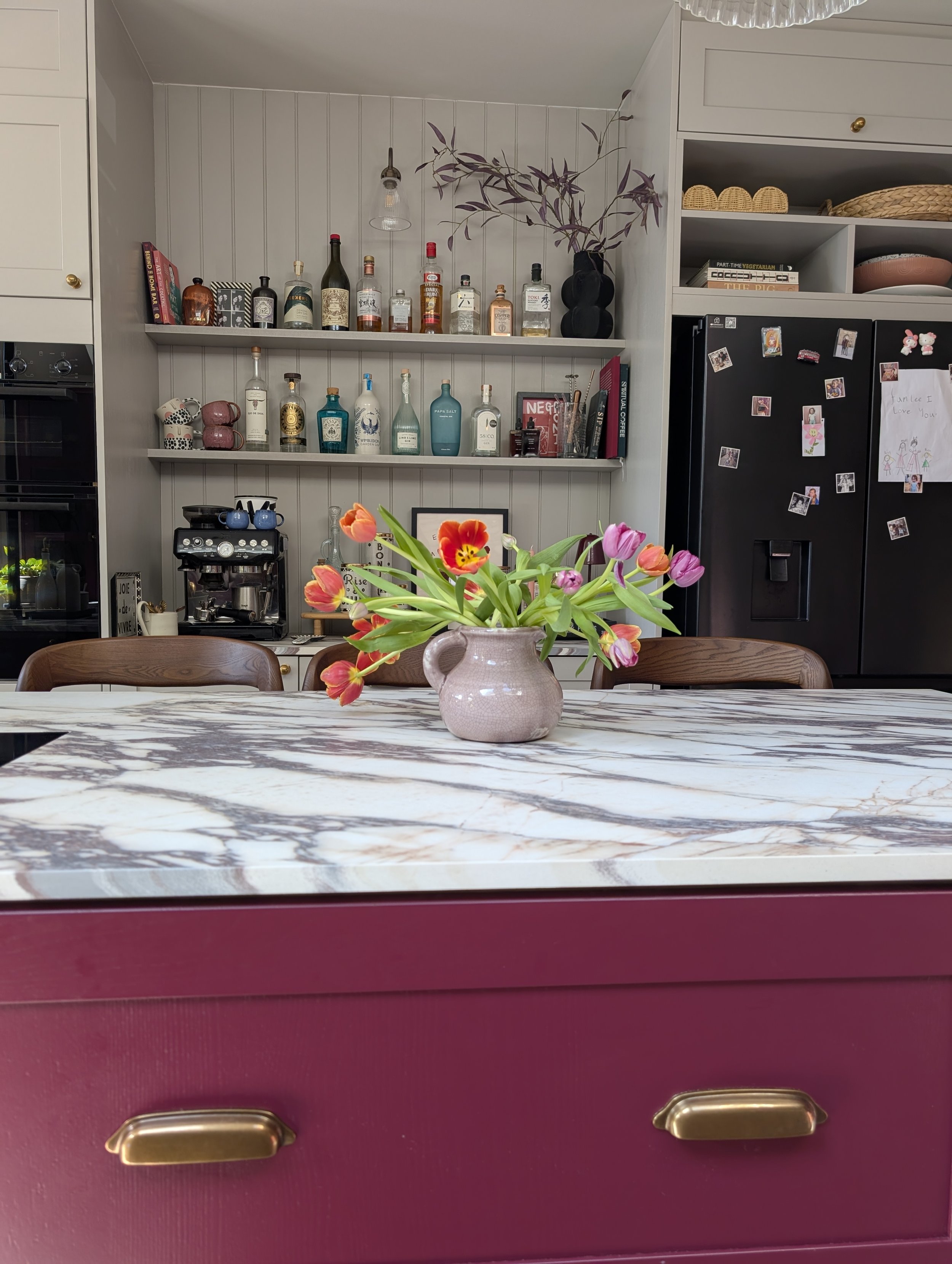
I wanted everything to have a place without the kitchen feeling overly designed or clinical. Integrated storage, larger drawers, concealed appliances and multifunctional pantry spaces all became essential parts of the design process.
The reality is that clutter changes how a room feels emotionally. When surfaces constantly feel busy, it’s difficult for a space to feel calm.
By designing more intentional storage solutions, the kitchen now feels lighter, more organised and significantly easier to maintain day to day — which, honestly, has probably been one of the biggest changes since completing the renovation.
Bringing Warmth Back Into The Kitchen
I’ve noticed a real shift recently away from ultra-minimal kitchens and toward spaces that feel softer and more lived-in. For me, creating warmth was incredibly important.
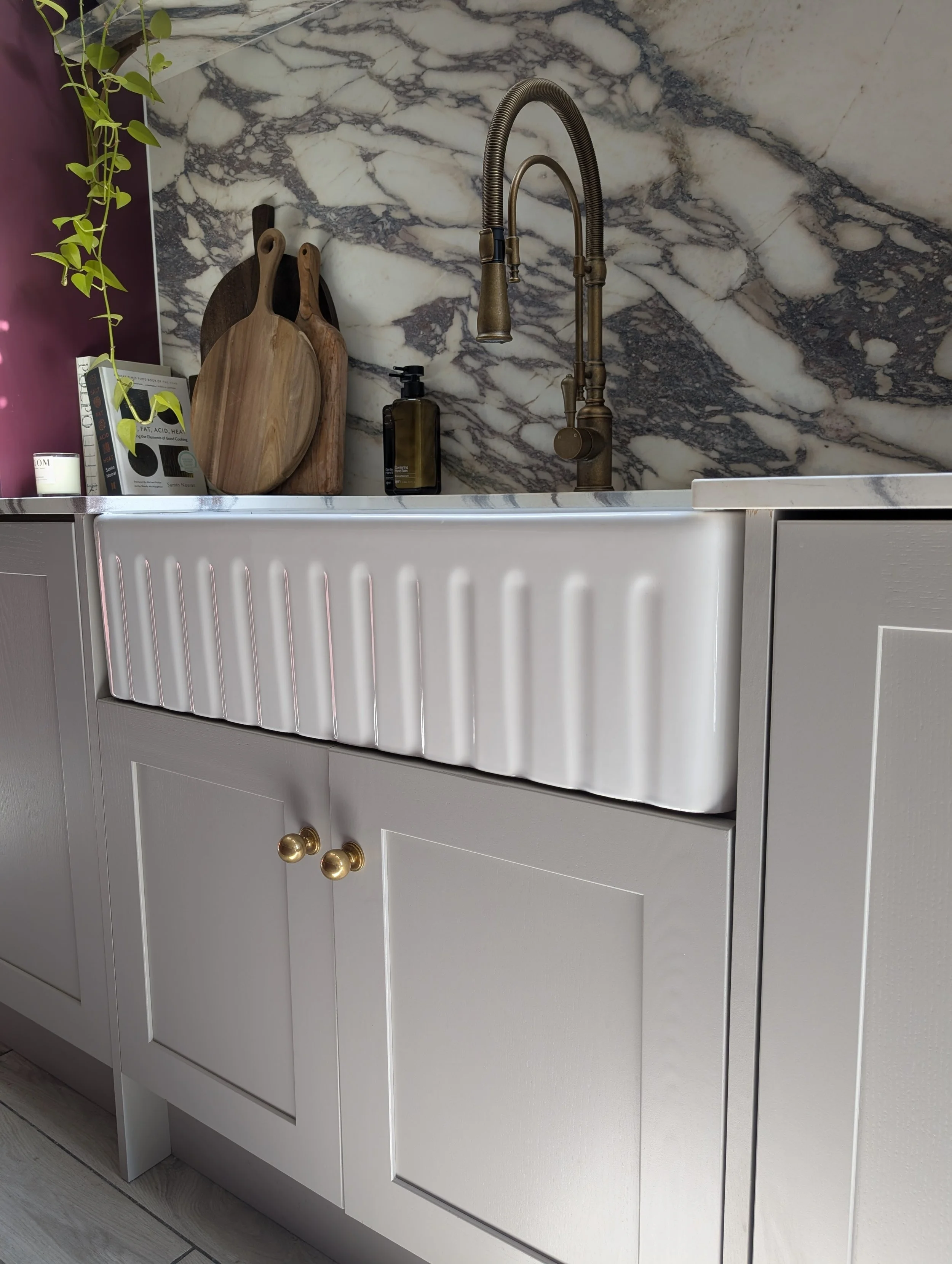
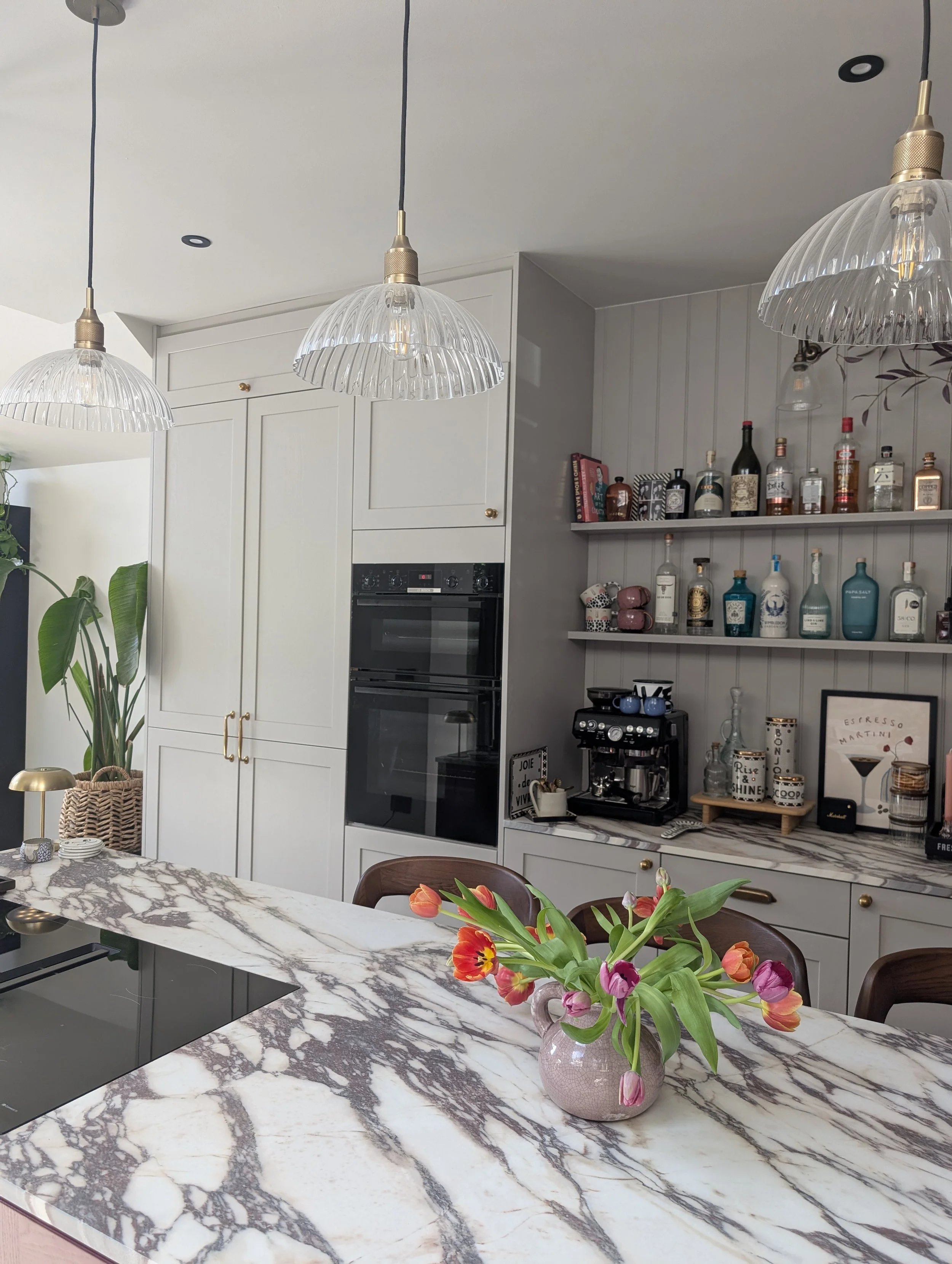
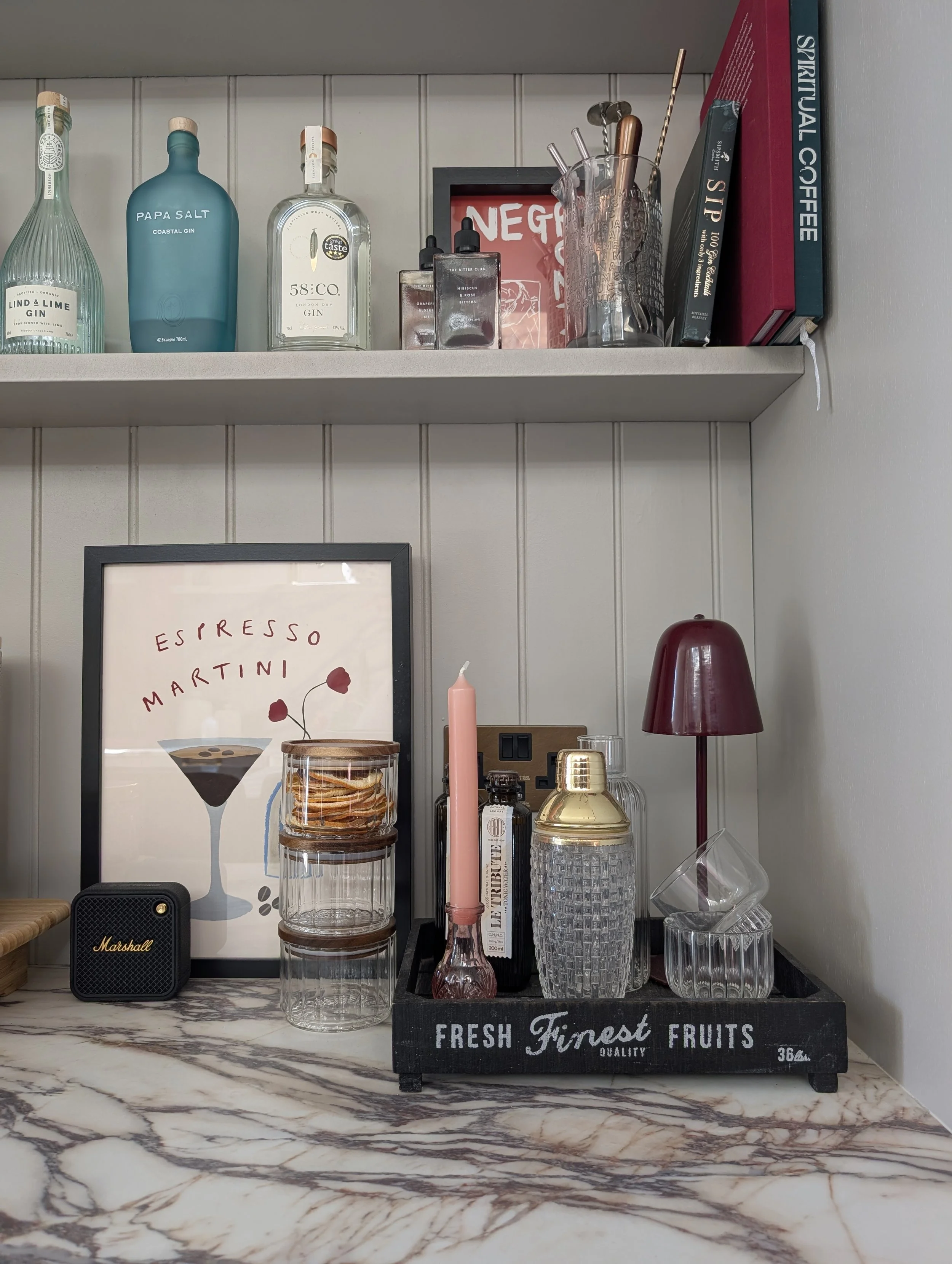
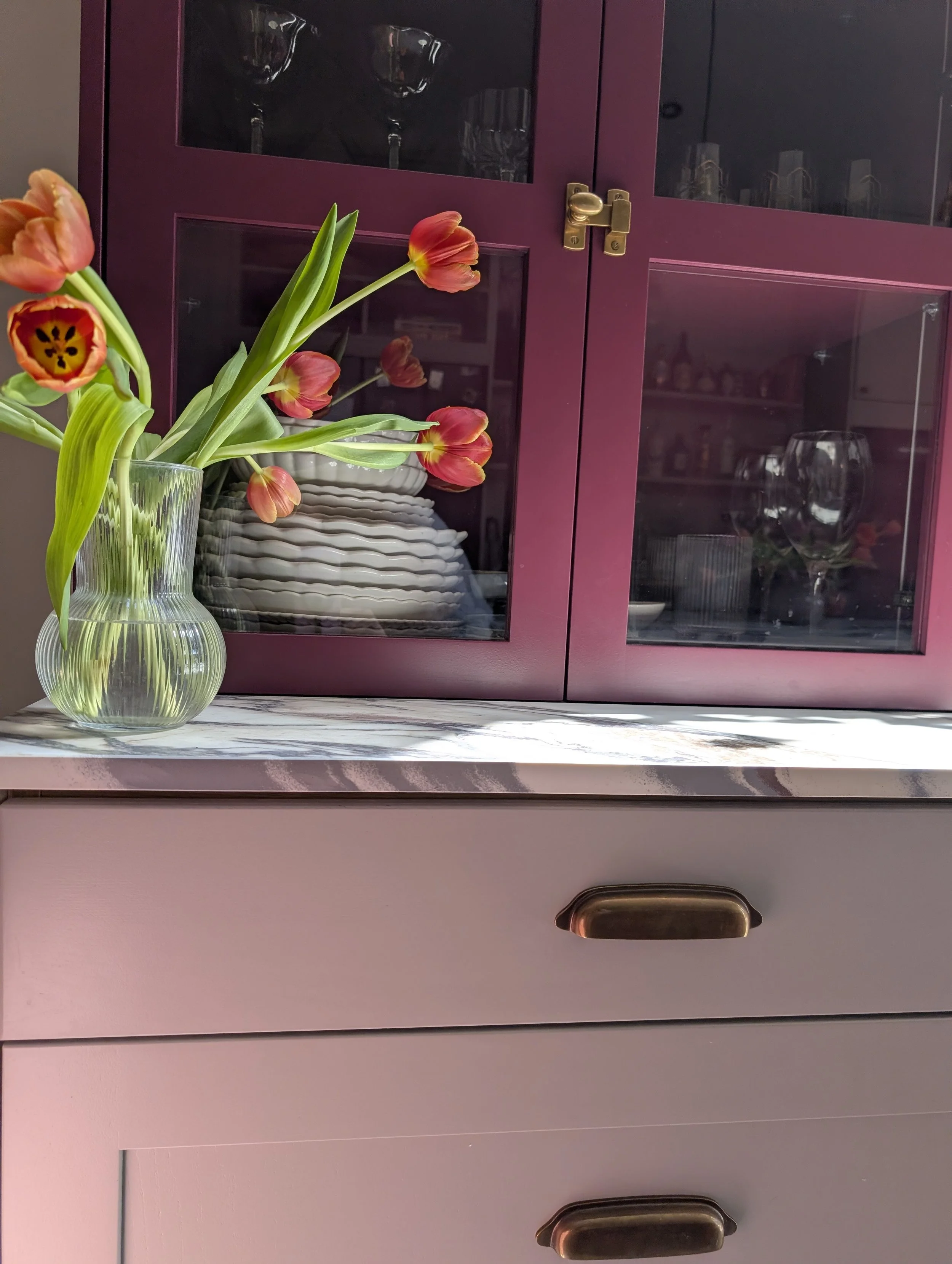
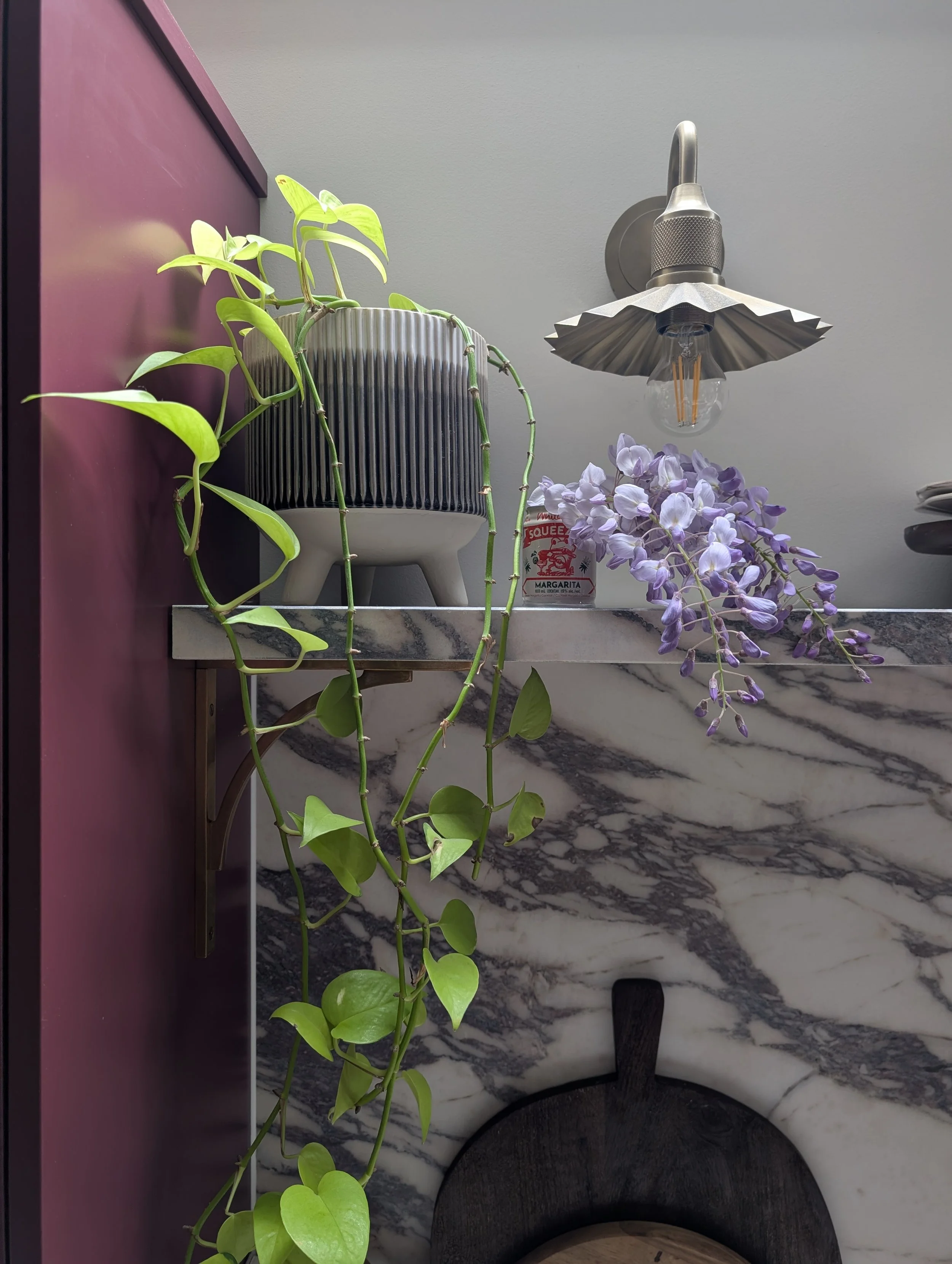
I wanted layered textures, warmer tones and materials that felt timeless rather than trend-led. The brass finishes, natural stone, ambient lighting and softer cabinetry tones all helped create that balance between functionality and comfort.
I never wanted the kitchen to feel like a showroom. I wanted it to feel like part of our home.
What A Successful Renovation Really Looks Like
Now that the project is complete, I think the true success of the renovation has very little to do with how it photographs.
It’s in the quieter moments:
mornings feeling calmer
hosting becoming easier
less visual clutter
better connection between spaces
the kitchen naturally becoming somewhere everyone gathers
That’s always what I want Design & Refine projects to achieve.
Not just beautiful interiors, but homes that support the people living in them in a meaningful way.
Because ultimately, good design should improve how life feels — not just how a room looks.
—
Have a Victorian house you need help with? We’d love to hear from you. Follow us @designandrefineinteriors for ideas, inspiration and a closer look at how we design real homes for real life. Or book your free consultation to chat through your space and see how we can help.